
Underwater Photography Gear for Yumana Liveaboard: A 2027 Guide

ghifari
July 10, 2026
7 min read
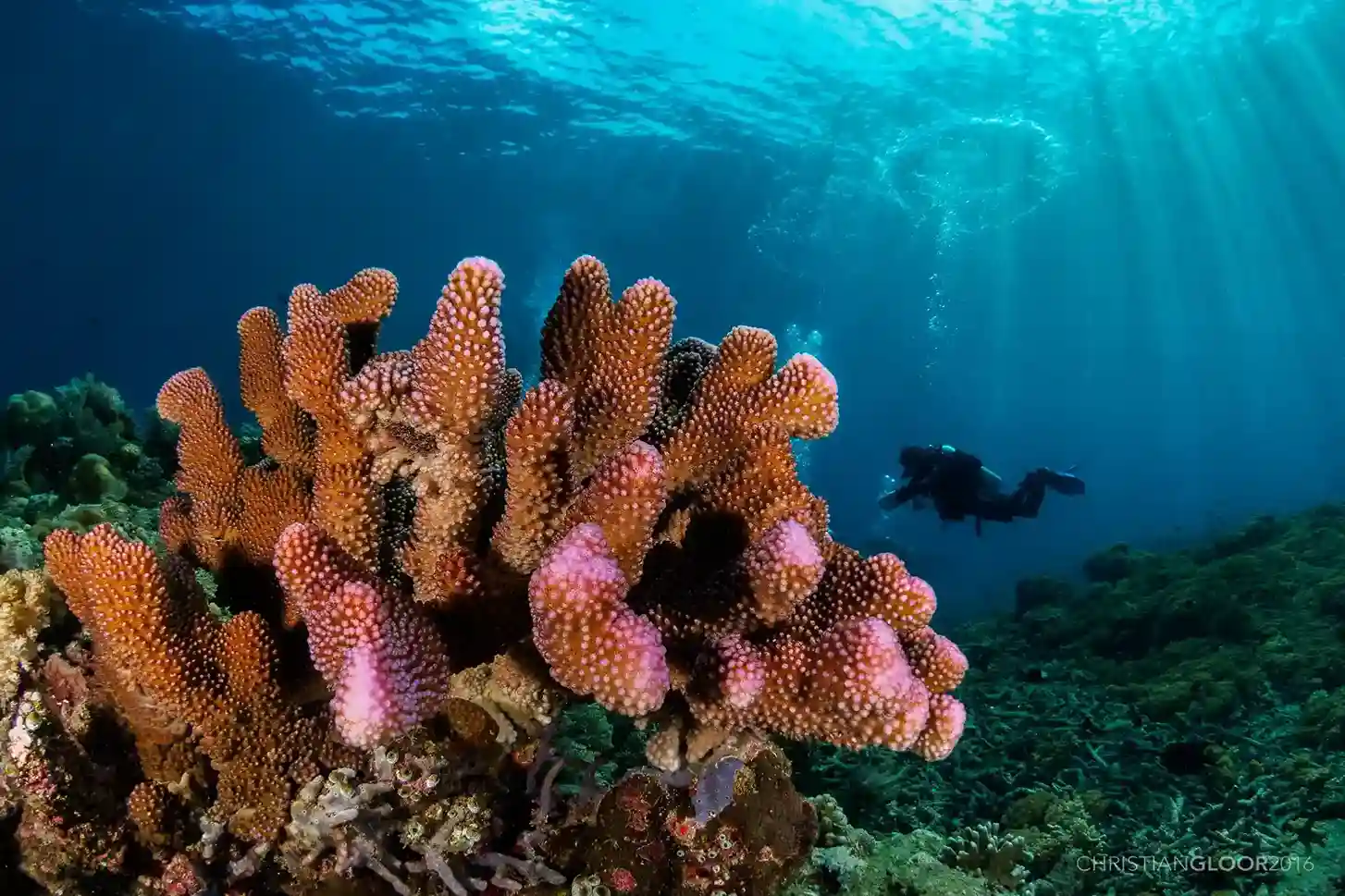
For underwater photography on a Yumana Liveaboard trip in 2027, essential gear includes a high-resolution mirrorless or DSLR camera with an appropriate underwater housing rated for deeper dives, a wide-angle lens for reefscapes and large marine life, and a macro lens for smaller subjects. Strobes or video lights are crucial for colour accuracy and illumination, alongside spare batteries, memory cards, and port covers. Consider a focus light and a buoyancy arm system for stability.
Best Camera Gear Setup for Yumana Liveaboard Photography 2027
Preparing for a photographic journey aboard Yumana Liveaboard in 2027 demands careful consideration of your underwater imaging setup. The Komodo National Park, with its rich biodiversity, offers opportunities for both still photography and videography. This guide outlines the essential equipment, drawing on current trends and projections for reliable gear that will perform exceptionally in the dynamic underwater environments around Komodo, including popular spots like Manta Point and Padar Island.
Choosing the right camera body is foundational. In 2027, high-resolution mirrorless cameras from manufacturers like Sony, Canon, and Nikon will continue to dominate the market. Models offering excellent low-light performance, fast autofocus, and robust video capabilities are preferred. For instance, a camera capable of shooting 4K 60p video will be invaluable for underwater videographers capturing swift marine action, such as manta rays or the elusive Komodo dragons on land during a 3 day 2 night Yumana Liveaboard itinerary Padar Island trip. Ensure your chosen camera has a large, high-resolution sensor for optimal image quality.
Underwater Housings: Protection and Functionality
A reliable underwater housing is non-negotiable. Leading brands like Nauticam, Ikelite, and Seacam will offer housings specifically designed for popular 2027 camera models. When selecting a housing, prioritise robust construction, ergonomic controls that allow full camera functionality, and a depth rating exceeding your planned maximum dive depth. Integrated leak detection systems are a significant advantage, providing peace of mind during extended dive charters. Many luxury phinisi liveaboard Labuan Bajo Yumana Master Cabin guests will appreciate housings that support advanced optical viewfinders for precise composition.
Lenses for Every Scenario
The diverse marine life around Komodo necessitates a versatile lens kit:
- Wide-Angle Lenses: Essential for capturing expansive reef scenes, schooling fish, and large pelagics like manta rays and sharks. A rectilinear wide-angle lens (e.g., 16-35mm full-frame equivalent) is excellent for general wide shots. For ultra-wide perspectives, particularly useful for capturing the scale of the underwater landscape at Taka Makasar, a fisheye lens (e.g., 8-15mm) offers creative possibilities and closer focusing capabilities.
- Macro Lenses: Indispensable for documenting the smaller wonders of the reef, from nudibranchs and pygmy seahorses to intricate coral polyps. A 60mm or 100/105mm macro lens (full-frame equivalent) allows for detailed close-up photography. These are particularly effective during a Yumana Liveaboard diving package Manta Point Taka Makasar, where diverse macro life thrives in sheltered spots.
Lighting: Strobes and Video Lights
Natural light diminishes rapidly underwater, and the water column filters out red and orange wavelengths, leading to monochromatic blue or green images. External lighting is therefore critical:
| Lighting Type | Primary Use | Key Features for 2027 |
|---|---|---|
| Underwater Strobes | Still Photography | High guide number, fast recycle times, TTL compatibility, wide beam angle for even illumination. |
| Video Lights | Videography, Focus Lighting | High lumen output (e.g., 10,000+ lumens), wide beam angle, warm colour temperature (5000K-5600K), long burn time. |
Two powerful strobes are recommended for stills to ensure even lighting and eliminate backscatter. For underwater videographers, a pair of high-lumen video lights provides continuous, colour-corrected illumination. Many 2027 video lights will feature adjustable power settings and variable beam angles, offering greater control over lighting effects.
Accessories and Maintenance for Yumana Liveaboard
Do not overlook essential accessories and maintenance items:
- Spare Batteries and Memory Cards: Always carry more than you think you will need. Extended dives and continuous shooting consume power and storage rapidly.
- Port Covers and Lens Caps: Protect your valuable optics from scratches and impacts.
- O-Ring Kits and Silicone Grease: Crucial for maintaining the watertight seal of your housing. Always clean and grease O-rings before each dive.
- Wet Lenses: Macro diopters and wide-angle conversion lenses can be added and removed underwater, offering versatility without changing ports.
- Buoyancy Arms and Clamps: These provide stability for your lighting setup and help achieve neutral buoyancy, reducing diver fatigue and improving shot steadiness.
- Focus Light: A small, bright light attached to your housing assists with autofocus in low-light conditions, particularly useful for shark photography in deeper waters or during night dives.
2027 Note on Technology Trends
By 2027, expect to see further integration of AI-powered autofocus systems in cameras, enhancing subject tracking for fast-moving marine life. Improved battery life and more efficient image processors will allow for longer shooting sessions. Advancements in sensor technology will continue to push the boundaries of low-light performance and dynamic range, making it easier to capture stunning images even in challenging conditions. The best Yumana Liveaboard itinerary Pink Beach Komodo Island photography will benefit from these technological leaps.
Planning Your Yumana Liveaboard Photography Trip
are planning a yumana liveaboard komodo open trip 3d2n price 2027, or a private yacht charter yumana labuan bajo 1-12 pax price, preparing your gear meticulously is paramount. Consider the all-inclusive yumana liveaboard freedive snorkeling Komodo packages that allow ample time for photography. Ensure all equipment is tested thoroughly before your trip, ideally in a controlled environment, to familiarise yourself with the setup and prevent any issues once you are aboard.
FAQ
What essential camera gear and accessories should I bring for underwater photography on a Yumana Liveaboard trip in 2027?
For underwater photography on a Yumana Liveaboard trip in 2027, essential gear includes a high-resolution mirrorless or DSLR camera with an appropriate underwater housing rated for deeper dives, a wide-angle lens for reefscapes and large marine life, and a macro lens for smaller subjects. Strobes or video lights are crucial for colour accuracy and illumination, alongside spare batteries, memory cards, and port covers. Consider a focus light and a buoyancy arm system for stability.
What type of lenses are recommended for diverse marine life photography during a Yumana Liveaboard trip?
For diverse marine life photography on a Yumana Liveaboard trip, a wide-angle lens (e.g., 16-35mm equivalent) is recommended for capturing expansive reef scenes, schooling fish, and large pelagics like manta rays. A fisheye lens (e.g., 8-15mm) offers ultra-wide perspectives. For detailed close-ups of smaller creatures, a macro lens (e.g., 60mm or 100/105mm equivalent) is indispensable. These options cover the range from broad landscapes to intricate macro subjects encountered on Yumana Liveaboard Rica Island Kanawa Island Sinyong explorations.
Why are external strobes or video lights crucial for underwater photography on a Yumana Liveaboard?
External strobes or video lights are crucial for underwater photography on a Yumana Liveaboard because natural light quickly diminishes and loses colour depth underwater. Strobes provide bursts of light to restore accurate colours and illuminate subjects for still photography, reducing backscatter. Video lights offer continuous, colour-corrected illumination essential for videography and also serve as focus lights for still photography in low-light conditions, ensuring vibrant and well-exposed images and videos of the marine environment.